
A health hazard, even without smoking
Perhaps you have already experienced one of these symptoms after being exposed to secondhand smoke: irritation of the nose, throat, eyes or lungs; headaches, dizziness, nausea, or rapid heart rate. These are the immediate effects of secondhand smoke. Research has shown that even 30 minutes of exposure to secondhand smoke can have harmful consequences for cardiovascular health.
In the long term, exposure to secondhand smoke carries the same risks as smoking: asthma, cardiovascular and respiratory diseases, tumours, and lung cancer.
What many people do not realise is that the smoke escaping from a lit cigarette or exhaled by the smoker contains thousands of chemical substances, more than 70 of which are carcinogenic.
Contrary to popular belief, massive or daily exposure is not required for health effects to emerge: even brief but regular exposure can be enough to cause lasting damage to the lungs or blood vessels. It is therefore not merely a matter of temporary discomfort or irritation, but a genuine public health issue.
There is no safe level of secondhand smoke. Any amount is harmful to health.
Secondhand smoke and health:
... children and pregnant women
Children and unborn babies are particularly vulnerable.
... Seniors
How to protect them?

... Vulnerable persons
Particularly at risk from secondhand smoking.
... pets
Secondhand smoke also affects pets.

... new products
They all release harmful substances that can be inhaled, even without direct consumption.

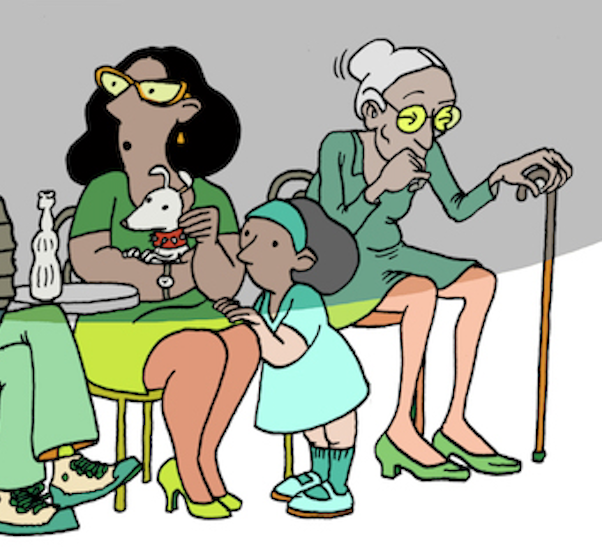
An invisible expose, a lasting impact
Secondhand smoke can remain in the air of an enclosed space (such as an apartment, a car, or a poorly ventilated room) for up to five hours after a cigarette has been extinguished.
In particularly vulnerable individuals—such as children, the elderly, or those with respiratory or cardiovascular conditions—even this delayed exposure can trigger a relapse, an acute attack, or a worsening of symptoms.
Exclusion is not the solution
Preventing the risks of secondhand smoke does not mean excluding smokers.
It means offering protected spaces, providing information in a supportive manner, and making choices that respect everyone’s health.
It is not just a question of cigarettes.
Secondhand smoke also comes from heated tobacco products, hookahs, e-cigarettes, cannabis, or cigars.
Each of these forms of smoke contains harmful toxins, with an increased impact on people who are already ill.
The flight attendant turned activist
In the 1990s, Norma Broin, an American Airlines flight attendant and non-smoker, developed lung cancer after years of working in smoke-filled aircraft cabins. In 1991, she became the lead plaintiff in a class-action lawsuit against major cigarette manufacturers, representing 60,000 flight attendants exposed to secondhand smoke.